


Uthrive: Rewards & Cashback
4.287.00 Reviews
App Specs
- Version
- 2.3.7
- Updated On
- License
- Free
- Downloads
- 10,000+
- Developer
- Uthrive.club
- Categories
- Finance
- Platform
- Android
Screenshots
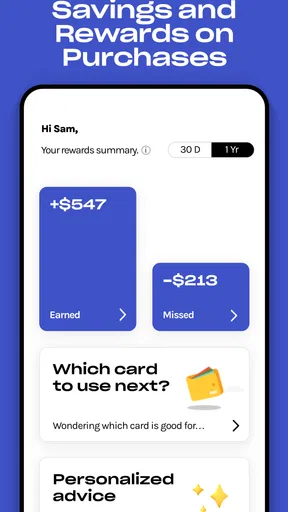
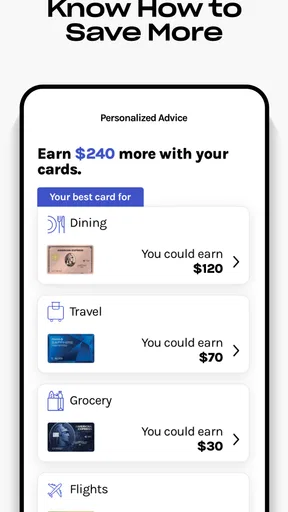
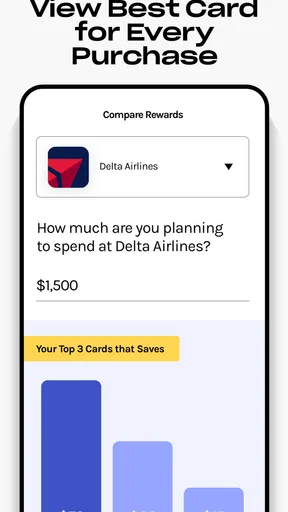
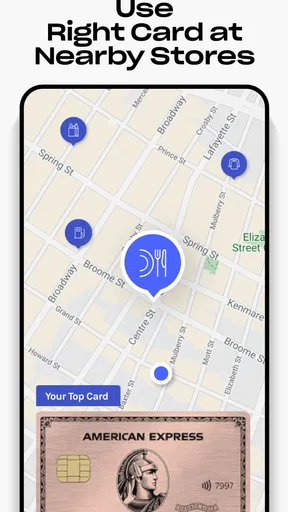
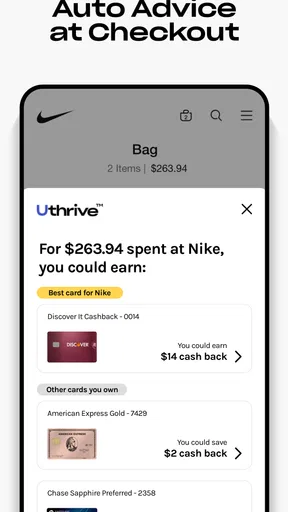
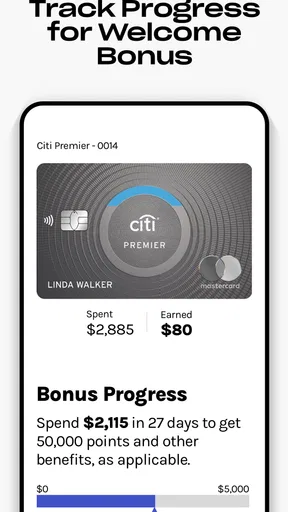
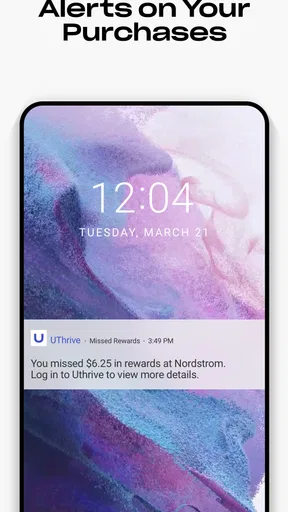
 Analysis by AppCompare
I approached Uthrive: Rewards & Cashback as a practical finance app rather than a game-like rewards toy. Its purpose is straightforward: help me find cashback opportunities connected with credit cards, activate eligible offers automatically where supported, and make better use of rewards I might otherwise overlook. That focus makes it interesting for people who already pay with cards regularly, but it also means the app is only as useful as the offers, card compatibility, and redemption rules that apply to each person.
The app is free to install and is aimed at an Everyone audience, although optional in-app purchases range from ten cents to $69.99 per item. It comes from Uthrive.club and sits in the finance category. The store listing presents it as a way to unlock more than $400 in potential cashback, but I would treat that figure as an upper promotional possibility rather than money every user should expect to receive. My experience with apps like this is that the real value comes from consistently matching offers to purchases, not from chasing a headline total.
How Uthrive fits into everyday spending
The best way to understand this app is as a layer between my existing credit-card habits and the rewards I may already be entitled to use. It is not a replacement for a bank app, a budgeting tool, or a full personal-finance dashboard. Instead, it tries to reduce the work involved in finding card-related offers and remembering to activate them.
That distinction matters. If I rarely use credit cards, do not shop through participating merchants, or prefer a simple cash account with no offer management, Uthrive may feel like another finance app to monitor. If I already use several cards and regularly forget which one has a useful promotion, the convenience becomes much more convincing.
A realistic example is a weekly grocery trip. I might normally pay with whichever card is in my wallet, then check my statements later without thinking about available rewards. With Uthrive in my routine, I can review relevant offers before shopping, make sure the appropriate card is connected or selected when necessary, and then use that card instead of relying on memory. The saving is not just the cashback itself; it is the reduction in small decisions that otherwise make rewards programs tiring.
I also found that the app makes more sense when used as a quick planning checkpoint rather than something I open constantly. Checking before a larger purchase, a restaurant visit, or a recurring subscription is more sensible than refreshing it throughout the day. That approach keeps the reward search from becoming a distraction and helps me judge whether an offer is genuinely useful.
The current experience for new users
The current version is 2.3.7, and the app supports devices running Android 6.0 or later. That broad operating-system support is helpful for people who keep an older phone, though the experience will still depend on the device itself and on how smoothly the relevant card or offer connections work.
Worth Reading Before You Choose

EA SPORTS FC Mobile 26 Is a Bigger Football Game, but It Takes Time

Flipboard Shows What News Apps Must Do Beyond the Feed

Switching to Android Auto Means Rethinking Your Driving Routine

Google Calendar Makes a Crowded Week Easier to Manage

Ludo King Makes the Most of the Minutes Between Plans

Baby Panda World Brings Quick Play to Modern Phones, but Its Game Library Feels Busy
Getting value from the app requires more attention than simply installing it. I would begin by identifying the cards I actually use, then checking whether the offers shown are relevant to normal spending. There is little benefit in collecting every available promotion if the terms encourage purchases I would not otherwise make. A reward is only worthwhile when it follows a purchase that already fits my plans.
One useful habit is to separate “available” from “worth using.” An offer may look attractive in isolation but be less valuable than a familiar card reward, a lower price elsewhere, or a simpler payment method. I would compare the final cost and the effort involved before changing how I pay. This is especially important when an offer has spending thresholds, merchant restrictions, or timing conditions.
The app’s automatic offer activation is potentially its strongest convenience feature. Automatic handling can remove one of the most common reasons people miss card rewards: they see an offer but forget to activate it. At the same time, I would not assume that every offer works invisibly in every situation. I would still read the conditions and check that the transaction uses the intended card, because automation cannot fix a purchase made with the wrong account or outside the qualifying rules.
What the version history means in practice
Version 2.3.7 is the clearest current marker of the product’s ongoing development. For an existing user, that suggests the app is being maintained rather than left as a one-time offer directory. However, a version number by itself does not prove that every earlier frustration has disappeared or that the service will match every card and merchant a user wants.
I prefer to judge an update by its effect on the routine: can I identify a relevant offer faster, understand its conditions more easily, and trust that the activation status is clear? Those are more meaningful improvements than a new visual style. For a cashback app, clarity and reliable timing matter more than decorative changes.
There is also a practical trade-off in automatic systems. The more the app tries to simplify offer management, the more important it becomes for me to review what has been activated and where the reward applies. A short check before an expensive purchase is a sensible safeguard. It helps prevent the assumption that an offer is active when it may have a specific card, merchant, or purchase requirement.
For existing users, the current release should be approached as a reason to keep the app updated and reassess the workflow, not as a promise of a particular reward outcome. The core benefit remains the same: reducing the effort involved in finding and using card cashback. Whether that benefit feels substantial depends on the user’s spending pattern.
Where it beats ordinary alternatives
The usual alternative is to manage everything manually. I can open each credit-card app, browse its offers, activate promotions one by one, and keep notes about which card should be used. That method gives me direct control, but it is slow and easy to abandon when several cards are involved. Uthrive’s appeal is that it brings the search into one more convenient workflow and emphasizes automatic activation.
Another alternative is a general budgeting app. Budgeting tools are better when my main goal is tracking spending, setting limits, or understanding cash flow. Uthrive is more focused on the reward opportunity attached to a purchase. I would not choose it instead of a budget if I need a complete picture of household finances.
Bank and card-provider apps may still be better for checking balances, verifying transactions, and reading the official terms of a reward. They are the authoritative place to confirm account activity. Uthrive is more useful as a discovery and organization layer, especially when I want to compare opportunities across cards rather than stay inside one issuer’s ecosystem.
Cashback browser extensions and shopping portals are another nearby option, but they usually focus on online shopping paths. Uthrive’s credit-card orientation makes it more relevant to ordinary card purchases, including spending that does not begin in a browser. That does not make it universally better; it simply serves a different point in the buying process.
Small workflow changes that improve the results
My first recommendation is to connect the app only to cards I genuinely use. Adding inactive or rarely used cards creates noise and can make a promising offer look more useful than it is. A smaller, accurate set of cards makes the app easier to scan before a purchase.
Second, I would check the offer before leaving for the store or placing an order, not after the transaction. This is particularly important when automatic activation is involved. The timing gives me a chance to choose the right card and avoid treating a missed opportunity as a tracking error.
Third, I would keep the app separate from impulse buying. A cashback percentage or reward amount should never be the reason I purchase something unnecessary. The strongest use case is a planned expense where the app helps me choose between payment options, not a promotion that persuades me to spend more.
Fourth, I would compare the reward with any annual fees, financing costs, delivery charges, or higher prices attached to the purchase. Cashback can look generous while still producing a poor overall deal. This is an important limitation of reward-focused apps: they highlight the benefit, but I still need to evaluate the whole transaction.
Finally, I would use the official card account to verify important rewards after the transaction. Uthrive can make discovery and activation easier, but the issuer’s statement is where I would confirm that a qualifying purchase was recognized. That two-step habit takes a little longer, yet it gives me a more reliable record.
Who will benefit most, and who should skip it
I think the app is a good fit for people who use multiple credit cards, enjoy optimizing ordinary purchases, and are willing to spend a minute checking offers before paying. It can also suit someone who likes rewards but repeatedly forgets to activate promotions manually. The automatic approach addresses that particular weakness better than a collection of separate issuer apps.
It is less suitable for someone who wants a complete budget, debt payoff plan, investment tracker, or bank replacement. It also may not be worth the effort for a person who uses one card for everything and already understands that card’s rewards system. In that case, the app may add another place to review without changing many decisions.
I would also be cautious if reward optimization makes spending stressful. The best financial tool is one that supports sensible habits. If checking offers encourages constant shopping, switching cards unnecessarily, or carrying a balance, the cashback is not compensating for the larger cost. Interest charges can overwhelm a small reward very quickly, so I would use the app only with a payment routine I already trust.
Remaining gaps and points to watch
The biggest gap is the distance between potential cashback and dependable savings. The store summary’s promise of more than $400 sounds appealing, but the practical result will vary with eligibility, available offers, purchase categories, and how often I use the app’s recommendations. I would judge it over several normal shopping cycles rather than expecting a large return immediately.
Offer transparency is another area I would watch closely. A useful cashback app should make the qualifying card, merchant, timing, and any spending condition easy to understand. If those details require too much digging, the convenience advantage over checking issuer apps becomes smaller. Clear activation status is equally important because uncertainty undermines trust.
I would also pay attention to how well the app handles changes in my card lineup. Replacing a card, closing an account, or adding a new one should prompt a review of the connected setup. An old card remaining in a rewards workflow can lead to the wrong payment choice, while an unreviewed new card can mean missed opportunities.
The optional purchase range is worth keeping in mind as well. The app is free to install, but optional items can cost from $0.10 to $69.99. I would not pay for anything unless the value and terms were completely clear, because the central appeal of a cashback tool is helping me keep more of my money. Any paid addition needs to justify itself against the rewards I can realistically earn.
Its audience size also gives me a useful sense of scale: the app has passed ten thousand installs, with an average rating of 4.2 from roughly 281 ratings and 87 written reviews. Those figures suggest meaningful user interest, but they are not a guarantee that every card combination or shopping pattern will work equally well. I would use the app for a short personal trial and measure whether it changes my actual payment choices.
My final take on Uthrive
Uthrive: Rewards & Cashback is most convincing when I treat it as a focused assistant for card rewards, not as a magic savings engine. Its free entry point, automatic offer emphasis, and finance-specific purpose make it worth trying for regular credit-card users who want less manual searching. The app can turn forgotten promotions into a repeatable pre-purchase check, which is a real everyday advantage.
My recommendation comes with a clear condition: use it alongside sensible spending and official account verification. I would not change cards merely because an offer appears, and I would not assume a potential reward is guaranteed until the purchase meets its conditions. People seeking budgeting, banking, or investment features should choose a more comprehensive finance product instead.
For the right user, the value is not in opening the app every hour. It is in building a calm routine: review relevant offers, choose the card that already makes sense, complete the planned purchase, and confirm the result later. That simple workflow is where the app earns its place, and it is why I would recommend giving this particular cashback tool a careful trial rather than dismissing it as just another rewards listing.
Pros
- Earn cashback from purchases made through participating brands.
- Offers and rewards are organized in one convenient mobile app.
- The app can help users discover new shopping deals and promotions.
- Reward opportunities may cover both online and selected in-store purchases.
- A simple interface makes browsing available offers relatively easy.
Cons
- Cashback rates and available brands can change without much notice.
- Rewards may require meeting minimum payout or redemption thresholds.
- Some offers have exclusions
- tracking rules
- or limited-time conditions.
- Cashback may not appear immediately after completing a qualifying purchase.
- Availability of offers and features may vary by location or account.
FAQs for Uthrive: Rewards & Cashback
What is Uthrive: Rewards & Cashback, and how does it work?
Uthrive: Rewards & Cashback is a shopping rewards app that helps users earn cashback, points, or other incentives when they interact with participating brands and complete eligible purchases or offers. After installing the app, you typically browse available deals, follow the required steps, and then wait for the transaction to be tracked and validated. Rewards depend on the merchant, offer terms, and account eligibility.
How can I earn rewards or cashback with Uthrive?
You can generally earn rewards by discovering participating retailers, activating an offer when required, shopping through the correct link or method, and completing the purchase according to the promotion’s conditions. Some opportunities may involve surveys, referrals, special campaigns, or other activities. Before starting, read the offer details carefully because exclusions, minimum spending requirements, tracking rules, and expiration dates may apply.
How long does it take for cashback or rewards to appear?
Cashback is not always credited immediately. A purchase may first appear as pending while Uthrive and the retailer confirm that the order was completed, paid for, and not returned or canceled. Processing times can vary significantly by merchant and offer. If a transaction does not track, keep your receipt or order confirmation and contact support through the app with the relevant purchase information.
Are there fees, restrictions, or conditions users should know about?
Uthrive may be free to download, but rewards are subject to specific terms rather than being guaranteed for every purchase. Certain products, payment methods, coupons, browser settings, or third-party promotions may be excluded. Returns, cancellations, duplicate accounts, fraudulent activity, and failure to follow an offer’s instructions can also invalidate rewards. Review each promotion and the app’s current terms before spending money.
How can I redeem my Uthrive rewards, and is the app safe to use?
Redemption options and minimum thresholds depend on the rewards available in your account and the app’s current policies. You may need to verify your identity, provide payment or payout details, and wait for processing after requesting a withdrawal. As with any rewards platform, download Uthrive from an official app store, use a strong password, review requested permissions, and avoid sharing sensitive information outside the app’s verified support channels.


